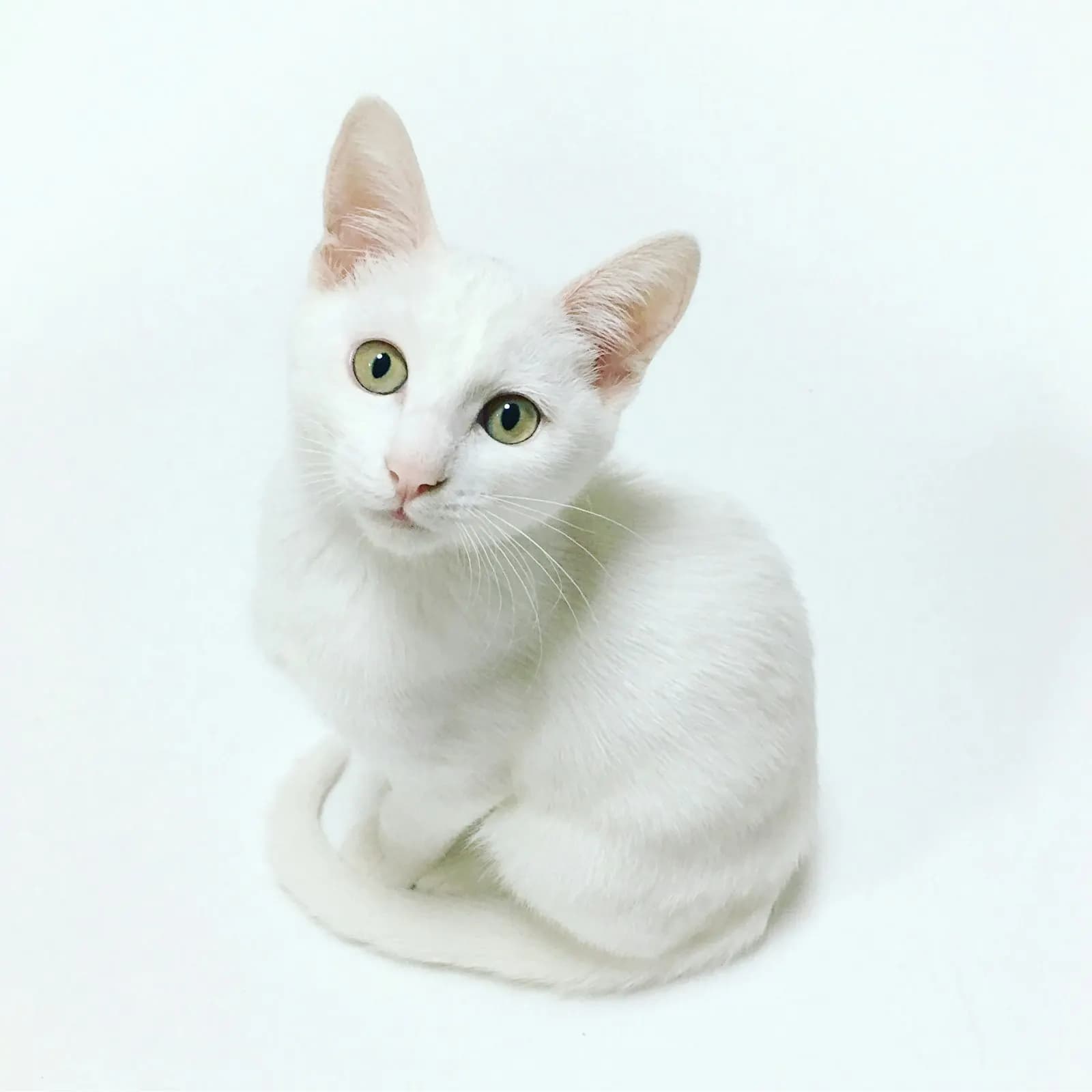
How to Feed a Neutered Cat
After neutering, a cat needs less energy but often feels hungrier. Here is how to manage portions, choose a food and switch diets without weight gain.
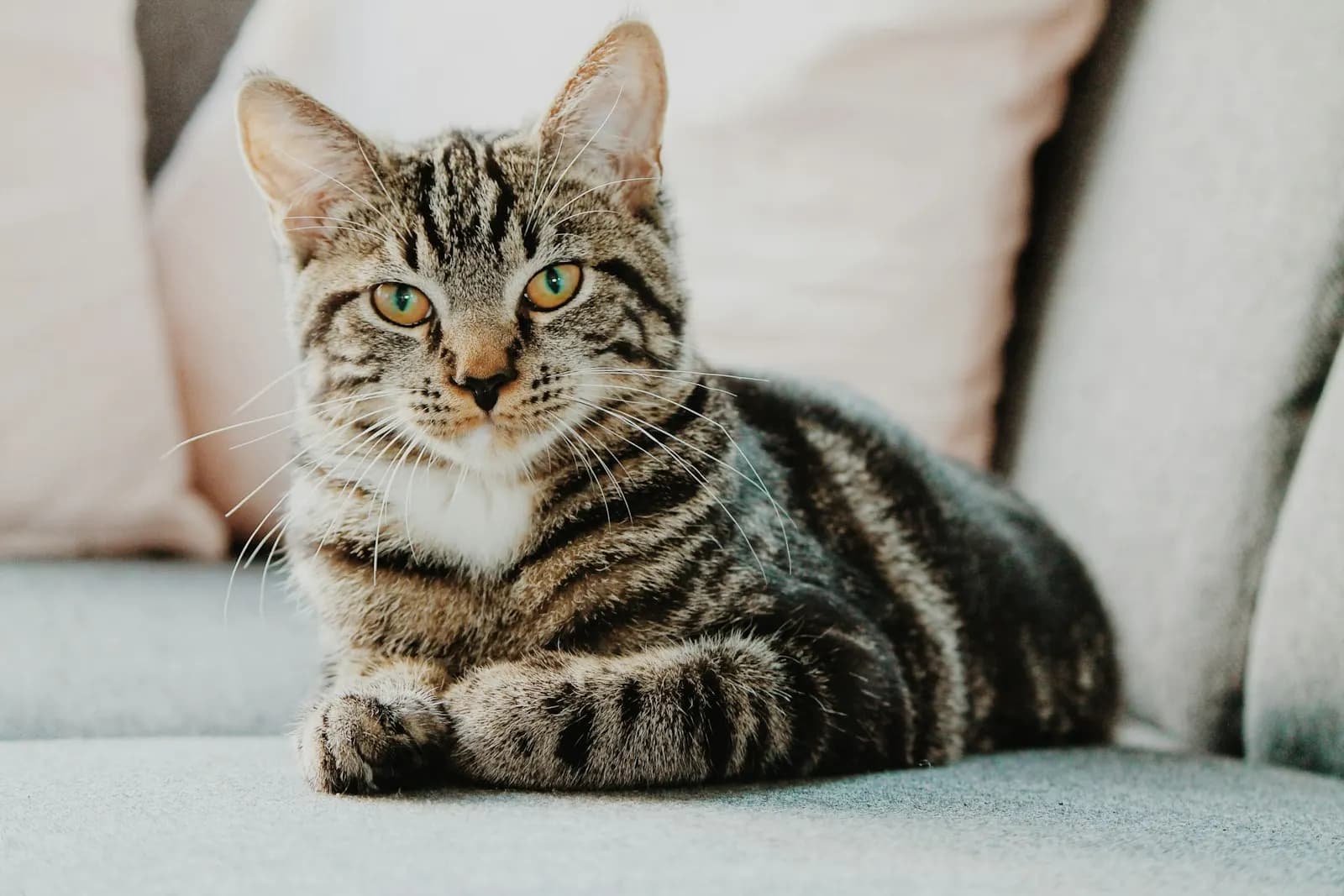
Neutering is one of the most responsible decisions you can make for your cat's health. After the operation, however, the body changes noticeably: hormone levels shift, energy requirements drop by roughly 20–30%, and yet appetite often goes up. Put those two effects together and, unless the diet is reviewed, weight gain is almost inevitable.
Why do neutered cats gain weight?
In neutered cats the resting metabolism slows and the urge to move decreases slightly. At the same time, the hormones that regulate fullness change, so the cat asks for food more often. Extra weight is not merely cosmetic:
- It significantly raises the risk of diabetes.
- It puts strain on joints, leading to reduced mobility in later life.
- It paves the way for urinary tract problems and fatty liver disease.
Working out daily calorie needs
As a practical starting point, an adult neutered indoor cat at its ideal weight needs about 45–55 kcal per kilogram per day. A cat whose ideal weight is 4 kg, for example, needs roughly 180–220 kcal a day.
When you calculate, keep these points in mind:
- Base the figure on the cat's ideal weight, not its current weight.
- Check the "kcal/kg" value on the pack; dry foods usually sit between 3,500 and 4,000 kcal/kg.
- Treats should make up no more than 10% of daily calories and must be deducted from the total.
- Measure portions with kitchen scales, not by eye.
These figures are a general guide; age, activity and health can all change your cat's needs. For an exact amount, ask your vet.
Choosing the right food
Foods made for neutered cats (labelled "sterilised") exist for good reason. In a good formula, look for:
- High-quality animal protein: helps preserve muscle mass and supports a feeling of fullness.
- Lower fat and controlled energy: fewer calories in the same portion.
- Fibre: adds bulk to the stomach and helps reduce hairball formation.
- A controlled mineral balance: magnesium and phosphorus levels matter for urinary health.
Adding wet food to the menu is also a good idea. Its high water content increases fluid intake and delivers fewer calories per mouthful. Many vets recommend covering part of the daily calories with wet food.
Switching food: a 7–10 day plan
Changing food overnight can lead to vomiting, diarrhoea or a flat refusal to eat. Instead, transition gradually:
- Days 1–3: 75% old food, 25% new food
- Days 4–6: 50% old, 50% new
- Days 7–9: 25% old, 75% new
- Day 10 onwards: new food only
For cats with sensitive digestion, you can stretch each stage by a few days.
Meal routine and habits
Leaving the bowl permanently full is the most common mistake with neutered cats. Instead:
- Weigh out the daily amount and split it into 3–4 small meals.
- Use puzzle feeders and slow-feed bowls to engage the hunting instinct.
- Refresh water daily; a water fountain encourages many cats to drink more.
- Plan at least two play sessions of 10–15 minutes each day.
Keeping an eye on weight
Weigh your cat once a month and note the result. If the ribs can be felt with a light touch and a waist is visible from above, your cat is most likely at a healthy weight. If you notice a gain of more than 2% a month, or a sudden loss, ask your vet before adjusting portions.
In short
The secret to feeding a neutered cat is simple: fewer calories, more protein, measured portions and plenty of activity. Small but consistent habits contribute directly to a long and healthy life for your cat.
Updated:
- kısırlaştırma
- kedi maması
- kilo kontrolü
- mama geçişi
Products for this topic
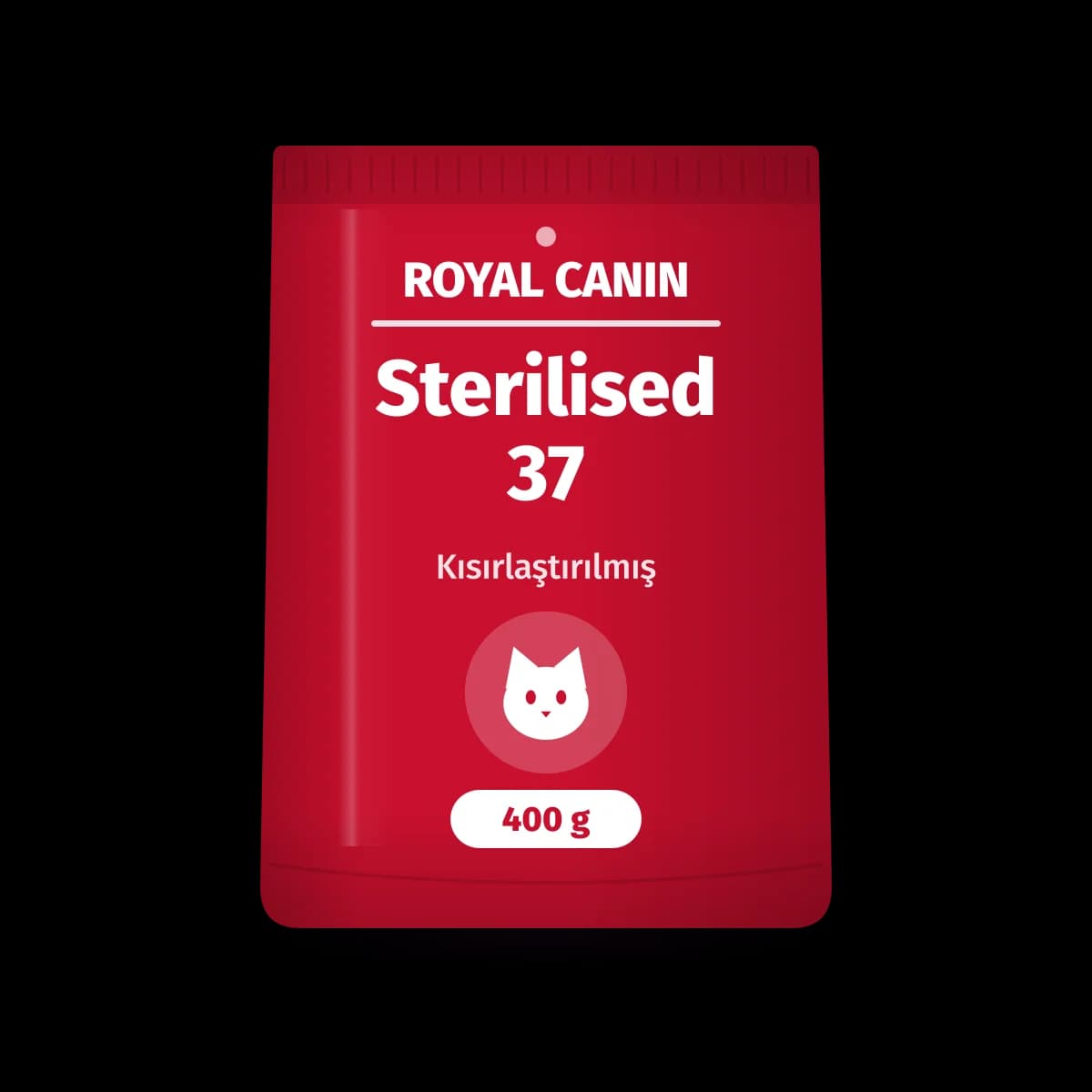
Royal Canin
Royal Canin Sterilised 37 Dry Cat Food
4.4(5)
From TRY 359
TRY 341.05 with autoship
4 options
 Same day

More from the guide
- How to Feed a Budgie
3 min read
- How to Choose the Right Cat Litter
3 min read
- Hairballs in Cats: Causes and Prevention
3 min read