How to Feed a Budgie
Budgies fed on seed alone often develop vitamin deficiencies and obesity. Here is how to build a balanced, varied diet.
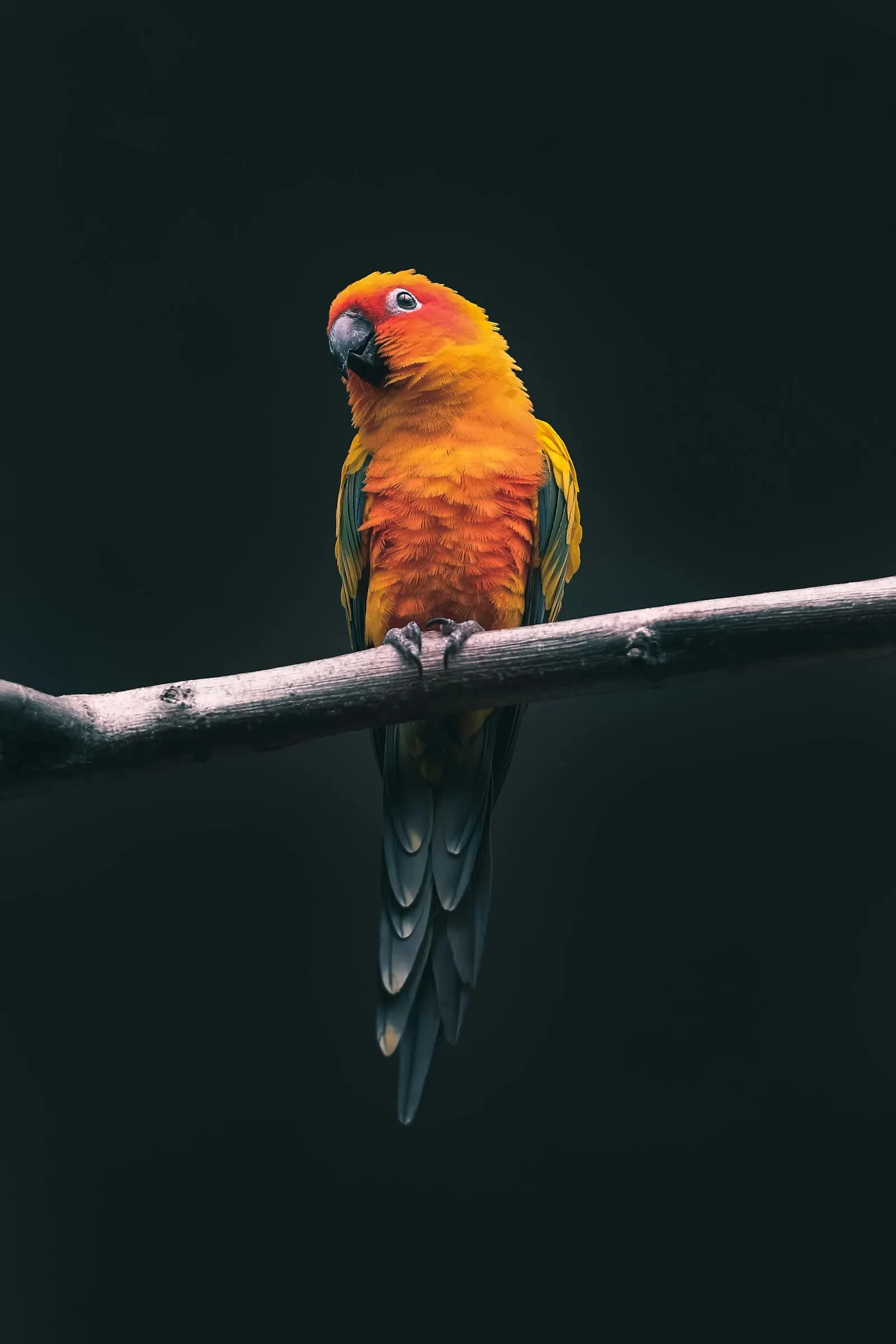
Budgies are cheerful, sociable and relatively easy to keep. When it comes to diet, however, there is a common misconception: "seed is all they need." In reality, budgies fed only on a seed mix frequently suffer from vitamin A deficiency, low calcium, obesity and fatty liver disease. Good nutrition is the foundation of a healthy life of 8–12 years.
What do wild budgies eat?
Wild budgies live in the arid regions of Australia and feed on ripening and ripe grass seeds, sprouts, leaves and the occasional bit of fruit. They fly for much of the day in search of food and burn a lot of energy. A caged bird moves far less, so a menu packed with fatty seeds quickly leads to weight gain.
Getting the proportions right
The approximate balance avian vets often recommend is:
- 50–60% good-quality seed mix: choose mixes based on millet, canary seed and oats, low in fatty seeds such as sunflower.
- 20–30% fresh vegetables and greens: offered daily.
- 10–20% pellets: help fill vitamin and mineral gaps.
- A little fruit: a few times a week in small pieces, as it is high in sugar.
An adult budgie eats roughly 1.5–2 teaspoons of seed a day. Rather than heaping the bowl, measure this amount and blow away the husks each day to check there is real seed left. A bowl can look full when it holds nothing but empty husks.
Safe vegetables and fruit
Wash fresh food thoroughly, cut it into small pieces and remove it after 2–3 hours, before bacteria can grow.
Safe vegetables and greens:
- Broccoli, grated carrot, courgette, sweet pepper
- Parsley (in small amounts), rocket, dill, dandelion leaves
- Spinach and chard (only occasionally, as they contain oxalates)
Safe fruit (in moderation):
- Apple (seeds removed), pear, grapes, melon, pomegranate
Foods to avoid completely
Some foods are toxic to budgies and must never be offered:
- Avocado: contains persin, which can cause heart and breathing problems.
- Chocolate and caffeinated drinks: theobromine and caffeine can be fatal to birds.
- Onion and garlic: damage red blood cells.
- Salty, fatty or sugary human food: including crackers, crisps and sweets.
- Fruit stones and pips: apple, apricot and cherry seeds contain cyanide compounds.
Minerals and calcium
Hang a cuttlebone or mineral block in the cage. Both supply calcium and help keep the beak naturally worn down. Calcium needs rise sharply in egg-laying hens.
Water
Change the water every day and wash the bowl. Birds drop food and droppings into water, so it fouls quickly. Vitamin drops can change the taste and make a bird drink less, so ask your vet before starting any supplement.
Moving away from a seed-only diet
Budgies are wary of new foods, so be patient:
- Offer vegetables in the morning, when your bird is hungriest.
- Clip greens to the cage bars or offer wet leaves for bathing, which sparks curiosity.
- Seeing you eat the same food also encourages them.
- Mix pellets with seed over 2–4 weeks, gradually increasing the proportion.
Quality seed mixes, pellets and cuttlebones are easy to find in our shop, with same-day delivery across Gaziantep.
In short
A healthy budgie diet is built on variety, measured seed, fresh vegetables every day and clean water. If you notice dull feathers, fluffed-up posture, loss of appetite or changes in droppings, see an avian vet without delay.
Updated:
- muhabbet kuşu
- kuş yemi
- kuş beslenmesi
- sepya
Products for this topic

Versele-Laga
Versele-Laga Prestige Budgies Seed Mix
4.3(4)
From TRY 229
TRY 217.55 with autoship
2 options


More from the guide
- How to Feed a Neutered Cat
3 min read
- Puppy Toilet Training: A Practical Guide
3 min read
- How to Prepare Aquarium Water
3 min read