How to Prepare Aquarium Water
Healthy fish start with healthy water. Here is what you need to know about dechlorination, the nitrogen cycle, pH and regular water changes.
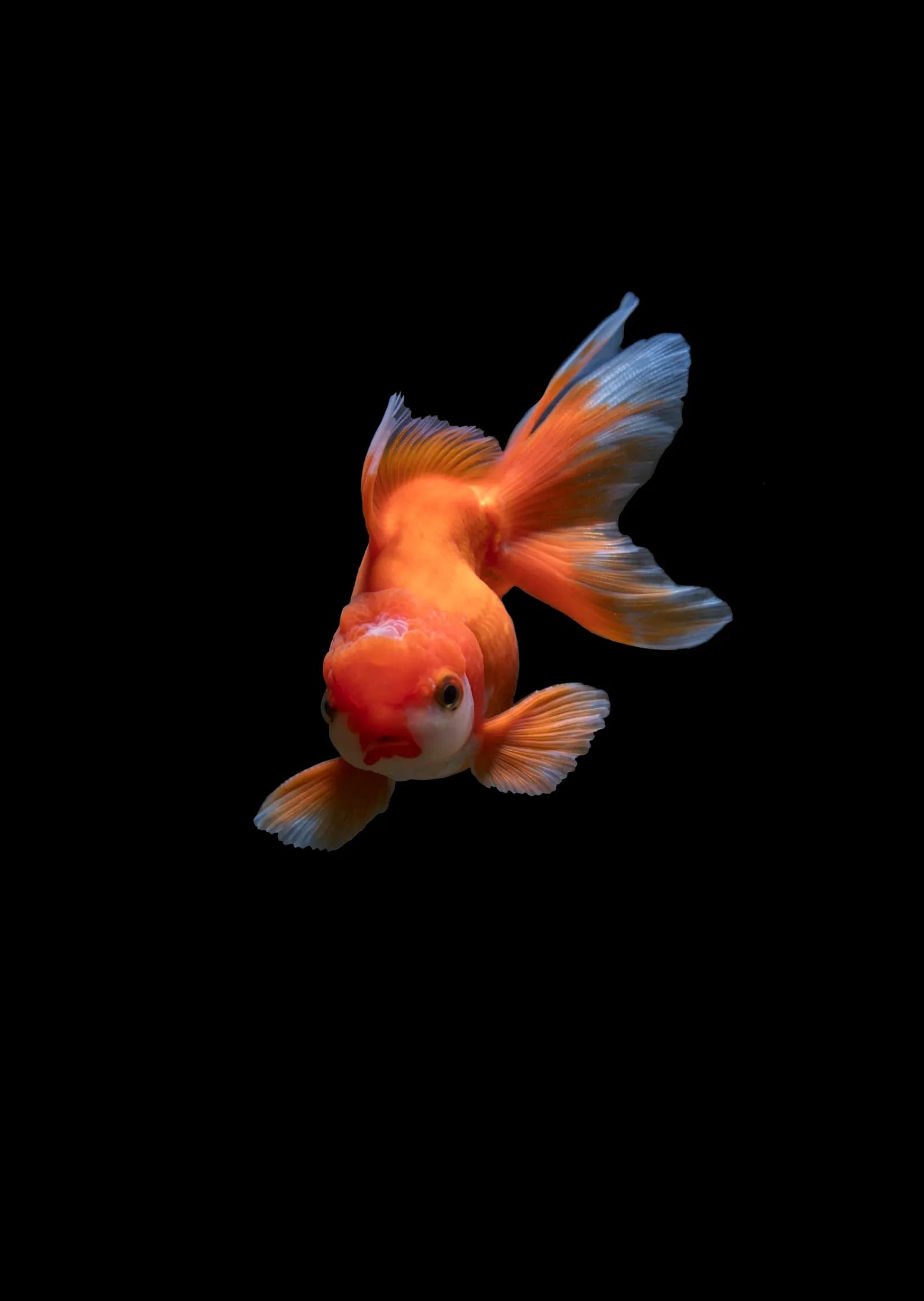
The most common mistake new fishkeepers make is adding fish as soon as the tank is set up. For fish, though, the real habitat is not the glass box but the water inside it. Preparing that water properly prevents most fish losses before they ever happen.
Why not use tap water straight away?
Mains water is treated to be safe for people, and that usually means adding chlorine or chloramine. These chemicals damage fish gills and kill the beneficial bacteria an aquarium relies on. Hardness and pH also vary from region to region; areas with limescale-heavy water, such as Gaziantep, tend to have hard water.
Before using tap water:
- Always add a water conditioner (dechlorinator) at the dose shown on the label.
- Bring the water to the same temperature as the tank; sudden swings stress fish.
- Measure hardness and pH with a test kit.
The nitrogen cycle: the tank's invisible engine
The most important process in any aquarium is one you cannot see: the nitrogen cycle. Fish waste and uneaten food break down into ammonia, which is toxic to fish even in tiny amounts. The cycle works like this:
- Ammonia (NH₃/NH₄⁺): produced from waste; highly toxic.
- Nitrite (NO₂⁻): Nitrosomonas-type bacteria convert ammonia into nitrite, which is also toxic.
- Nitrate (NO₃⁻): Nitrobacter-type bacteria turn nitrite into nitrate, which is relatively harmless and removed through water changes.
It usually takes 4–6 weeks for these bacterial colonies to establish themselves in the filter media and substrate. This is known as "cycling" or "maturing" the tank.
Cycling the tank, step by step
- Set up the tank, add substrate and décor, and switch on the filter and heater.
- Treat the water with dechlorinator.
- Add an ammonia source: a pinch of fish food or a purpose-made ammonia solution.
- You can add a live bacteria culture to speed things up.
- Test ammonia, nitrite and nitrate every 2–3 days and keep a record.
- When ammonia and nitrite both read zero and nitrate is measurable, the cycle is complete.
From then on, add fish in small numbers and gradually. Stocking the whole tank in one day creates an ammonia load the bacteria cannot cope with.
Ideal water parameters
General targets for a tropical community tank:
- Temperature: 24–27 °C
- pH: 6.5–7.5 (varies by species)
- Ammonia: 0 mg/L
- Nitrite: 0 mg/L
- Nitrate: below 40 mg/L, ideally below 20 mg/L
Coldwater species such as goldfish prefer cooler water, while Malawi cichlids thrive at higher pH and hardness, so always research a species' needs before you buy.
Acclimatising new fish
Float the bag on the surface of the tank for 15–20 minutes. Then add a little tank water to the bag every 10 minutes. After three or four rounds, net the fish into the aquarium; do not tip the bag water into the tank.
Ongoing care and water changes
Once the tank has cycled, keep water quality high by:
- Changing 20–25% of the water every week.
- Using a gravel siphon to remove debris from the substrate.
- Rinsing filter sponges in old tank water, never under the tap, so the beneficial bacteria survive.
- Feeding only what the fish can finish in 2–3 minutes.
Warning signs
If fish are gasping at the surface, have reddened gills or sit on the bottom with clamped fins, test the water first. Rising ammonia or nitrite is the usual culprit. In an emergency, a 30–50% water change brings quick relief. Water conditioners, test kits and bacteria starters are all available with same-day delivery across Gaziantep.
In short
The secret to a healthy aquarium is patience. Waiting for the cycle to finish, testing regularly and making small, frequent water changes are the foundation of years of healthy fishkeeping.
Updated:
- akvaryum
- azot döngüsü
- su kalitesi
- balık bakımı
Products for this topic


More from the guide
- How to Choose the Right Cat Litter
3 min read
- Rabbit and Hamster Care: The Essentials
3 min read
- How to Feed a Neutered Cat
3 min read