How to Choose the Right Cat Litter
Clumping clay, silica, tofu or pellets: every litter has its strengths. A clear comparison to help you pick the best one for your cat and home.
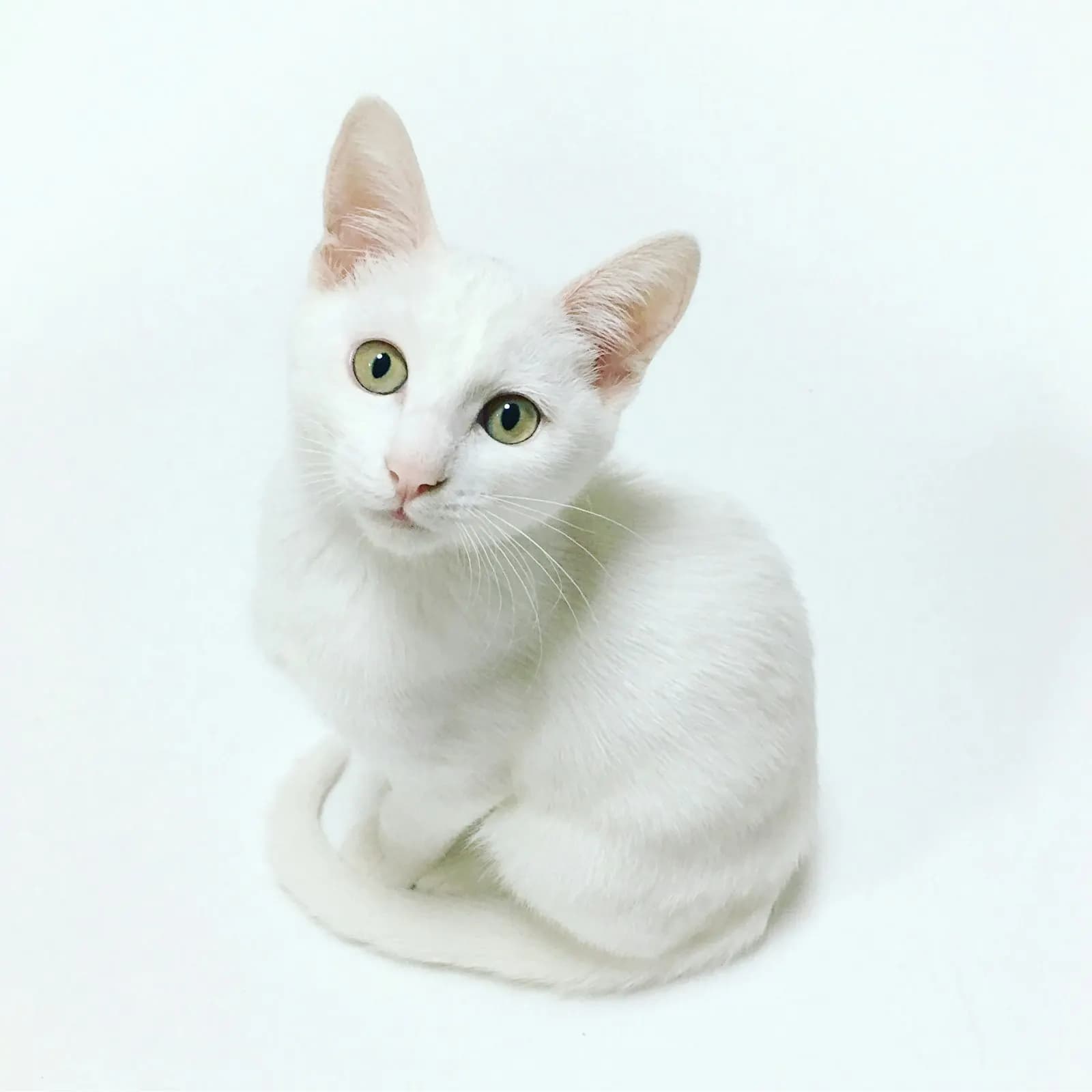
Cats are famously fussy about their toilet habits. A litter they dislike, a dirty tray or a poorly placed box can lead to frustrating behaviour such as going outside the tray. That is why choosing litter is not just about smell; it is also a matter of behaviour and health.
Types of cat litter compared
There are four main types of litter on the market, each with its own strengths and drawbacks.
Bentonite (clumping clay)
- Pros: forms firm clumps on contact with liquid, is easy to scoop, feels closest to natural soil and is readily accepted by most cats.
- Cons: heavy, some brands can be dusty, and it must not be flushed.
- Best for: a safe starting point for most cats and owners.
Silica (crystal)
- Pros: extremely absorbent, locks in odour very well, lightweight and long-lasting.
- Cons: does not clump, the crystal texture feels strange to some cats, and it needs care with kittens in case they swallow it.
- Best for: single-cat homes and owners who want to change litter less often.
Tofu (plant-based)
- Pros: made from pea or soya fibre, low in dust, clumps well, and many brands can be flushed in small amounts.
- Cons: can break down faster in humid conditions and costs more.
- Best for: dust-sensitive cats, households with asthma, and anyone looking for an eco-friendlier option.
Pellets (pine or paper)
- Pros: natural and biodegradable, light, dust-free and less likely to stick to paws.
- Cons: some cats dislike the coarse texture, pellets turn to sawdust when wet, and a sifting tray may be needed.
- Best for: cats recovering from surgery and owners keen to avoid dust.
What to look for
- Dust level: heavy dust can irritate both your cat's airways and your own. Look for "dust-free" or "99% dust-free" on the pack.
- Odour control: litters with activated charcoal trap smells naturally. Heavily perfumed litters can bother a cat's sensitive nose and put it off the tray.
- Clumping: clumping litter makes it easy to remove urine and keep the rest clean.
- Grain size: most cats prefer a fine, soft texture.
- Age and health: kittens may lick litter, so natural, unscented products are safer at that stage.
The tray set-up matters as much as the litter
Even the right litter can fail with the wrong set-up. Follow these golden rules:
- Number of trays: one per cat plus one (so three trays for two cats).
- Depth: 5–7 cm suits most cats.
- Cleaning: scoop clumps at least once a day, ideally twice. Replace clumping litter completely every 2–4 weeks and wash the tray with warm soapy water.
- Location: somewhere quiet, easy to reach and away from food bowls.
Switching litter gradually
Cats dislike sudden change. When moving to a new litter, mix it with the old one over about a week, increasing the proportion of new litter each day. This lets your cat get used to the new texture and smell at its own pace.
When to worry
If your cat starts going outside the tray, strains for a long time, passes small amounts of urine frequently or you notice blood, the problem may be medical rather than the litter. In male cats especially, being unable to pass urine is an emergency; contact your vet without delay.
In short
The ideal litter is low-dust, unscented or lightly scented, clumps well and is one your cat actually likes. Trying a couple of types and watching your cat's preference is the surest way to get it right.
Updated:
- kedi kumu
- bentonit
- silika kum
- tuvalet alışkanlığı
Products for this topic
Royal Canin
Royal Canin Sterilised 37 Dry Cat Food
4.4(5)
From TRY 359
TRY 341.05 with autoship
4 options
 Same day

More from the guide
- How to Prepare Aquarium Water
3 min read
- Rabbit and Hamster Care: The Essentials
3 min read
- How to Feed a Neutered Cat
3 min read