Hairballs in Cats: Causes and Prevention
The odd hairball can be normal, but frequent ones need attention. How grooming, diet and hydration help keep hairballs to a minimum.
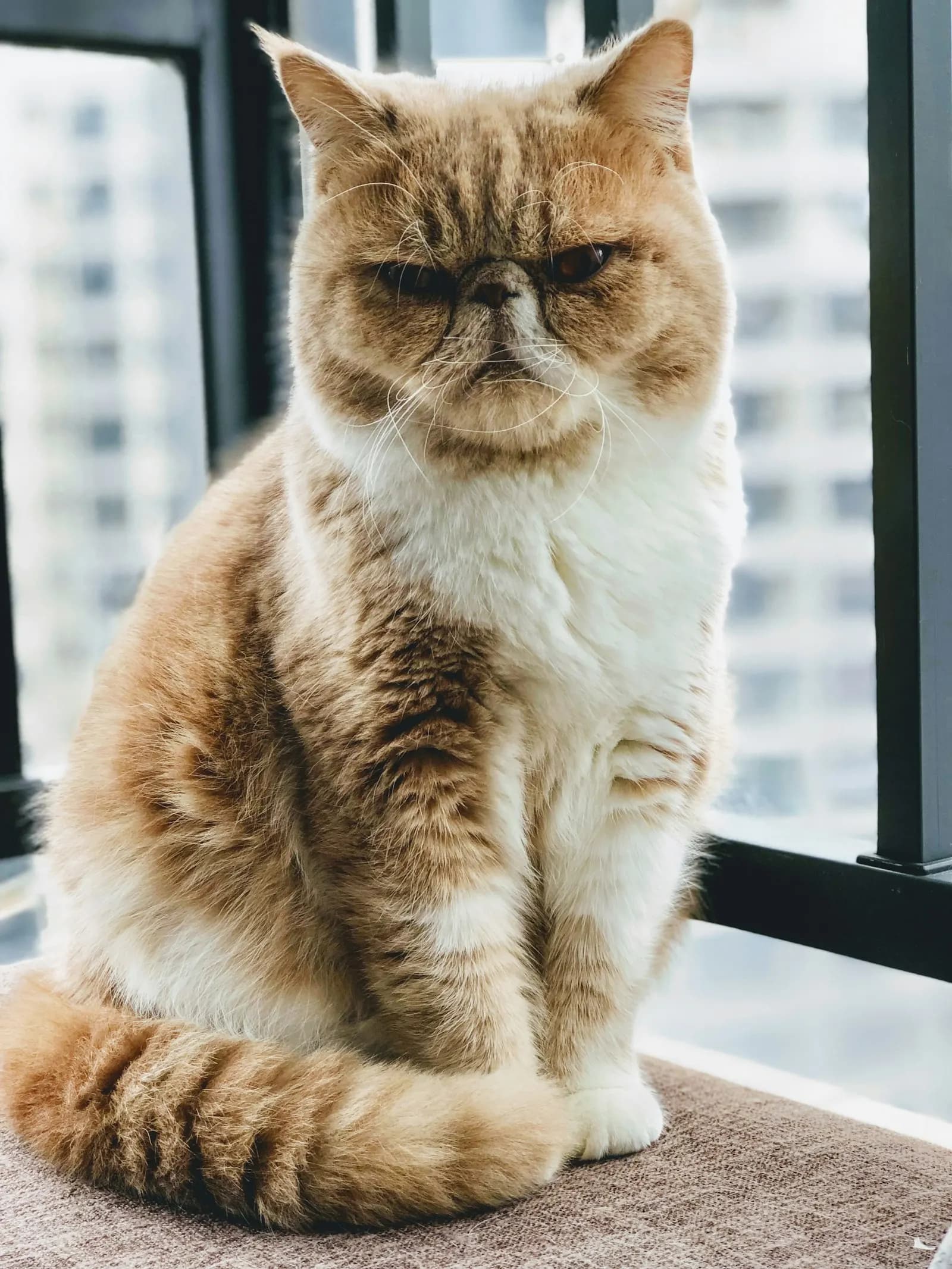
Cats spend a large part of the day grooming. The tiny backward-facing barbs on their tongues comb out loose hair like a brush, and most of it is swallowed. Normally that hair passes through the gut and out in the faeces. When there is too much hair, or the gut slows down, it can collect in the stomach and form a hairball (trichobezoar).
When is a hairball normal and when is it a problem?
A cat that brings up a hairball once a month or less, and is otherwise eating well and full of energy, is usually nothing to worry about. The following, however, deserve attention:
- Vomiting hairballs more than once a week
- Repeated, unproductive retching or cough-like movements
- Loss of appetite, lethargy or hiding
- Constipation or no faeces for a couple of days
- A swollen or tender belly
These signs can mean a hairball is blocking the intestine, which may be an emergency. Frequent vomiting is not always caused by hairballs, either: kidney disease, food sensitivities and inflammatory bowel disease can look similar. If your cat is vomiting often, speak to your vet.
Which cats are most at risk?
- Long-haired breeds: Persians, Maine Coons, Ragdolls and Norwegian Forest Cats.
- Moulting season: shedding increases noticeably in spring and autumn.
- Over-groomers: stress, boredom or skin problems such as flea allergy can make a cat lick itself excessively.
- Older or inactive cats: slower gut movement makes hair harder to pass.
Six effective ways to prevent hairballs
1. Regular brushing
The best prevention is to remove loose hair before your cat swallows it.
- Short-haired cats: two or three times a week.
- Long-haired cats: daily, especially during moulting season.
Use a rubber brush or grooming glove for short coats; for long coats, start with a wide-toothed comb and finish with a fine one. De-shedding tools remove undercoat very effectively but should be used gently and in short sessions to avoid irritating the skin.
2. A fibre-rich diet
Foods labelled "hairball control" contain fibre blends that help hair move through the gut. Remember to switch foods gradually over 7–10 days.
3. Plenty of water
Water keeps the digestive tract working smoothly. To encourage drinking:
- Add wet food to the menu.
- Try a water fountain; many cats prefer running water.
- Keep water away from food bowls and place several bowls around the home.
4. Malt paste
Malt or paraffin-based pastes lubricate swallowed hair so it passes more easily. Short-term use a few times a week is typical. Long-term or frequent use can interfere with vitamin absorption, so check dosage and duration with your vet.
5. Cat grass
Cat grass (sprouted wheat or barley) helps some cats bring up or pass hair naturally, and it is easy to grow at home. Keep potentially toxic houseplants well out of reach. Grooming tools, hairball-control foods and cat grass kits are all stocked in our Gaziantep shop.
6. Reduce stress and over-grooming
Daily play, scratching posts and enrichment such as a window perch cut down on boredom-driven licking. If you spot bald patches in one area, it may point to a skin problem worth having checked.
In short
Hairballs usually have a simple fix: regular brushing, a fibre-rich diet and plenty of water. If frequent vomiting, loss of appetite or constipation are also present, do not try to treat it at home; see your vet promptly.
Updated:
- tüy yumağı
- kedi bakımı
- tarama
- malt macunu
Products for this topic

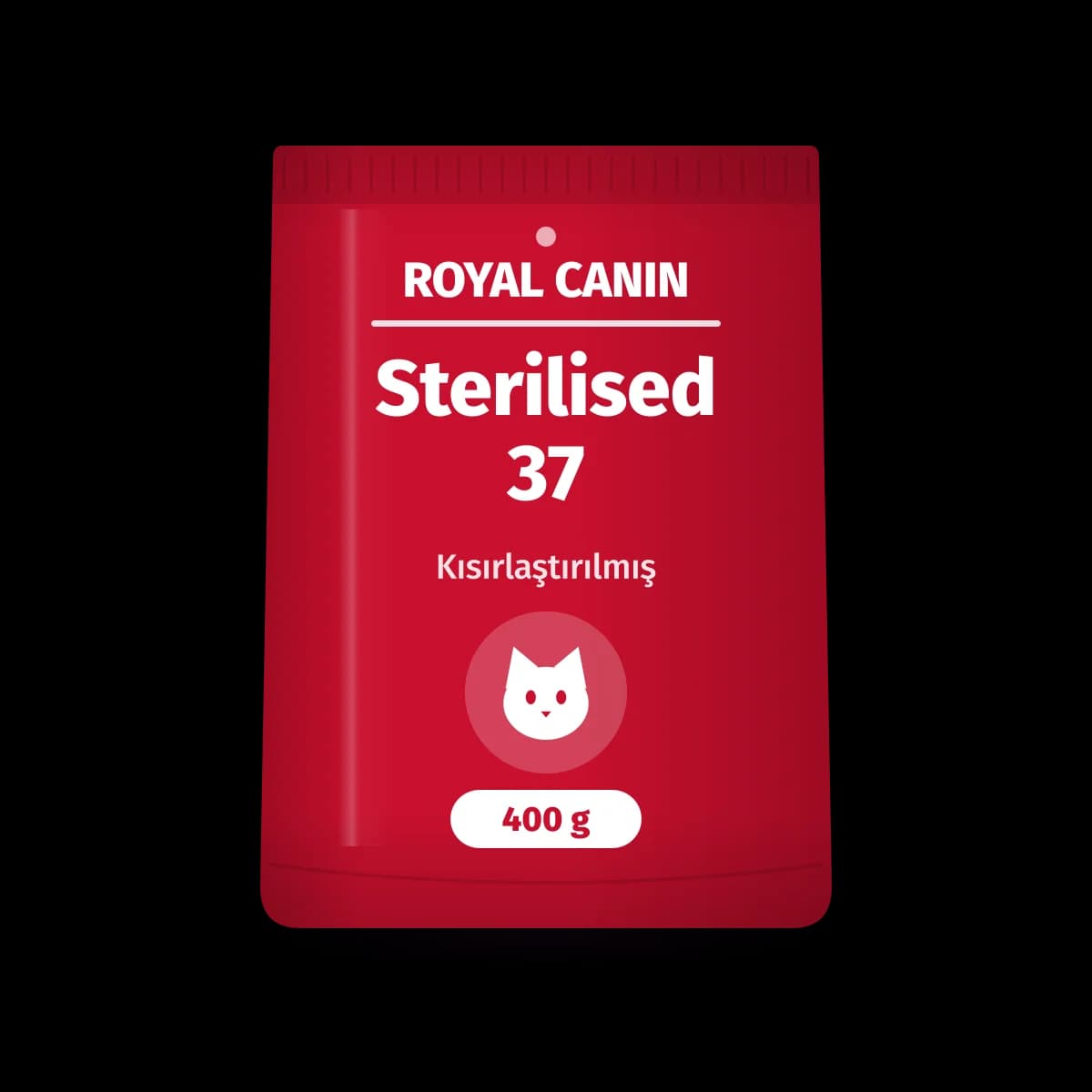
Royal Canin
Royal Canin Sterilised 37 Dry Cat Food
4.4(5)
From TRY 359
TRY 341.05 with autoship
4 options
 Same day

More from the guide
- How to Feed a Neutered Cat
3 min read
- How to Choose the Right Cat Litter
3 min read