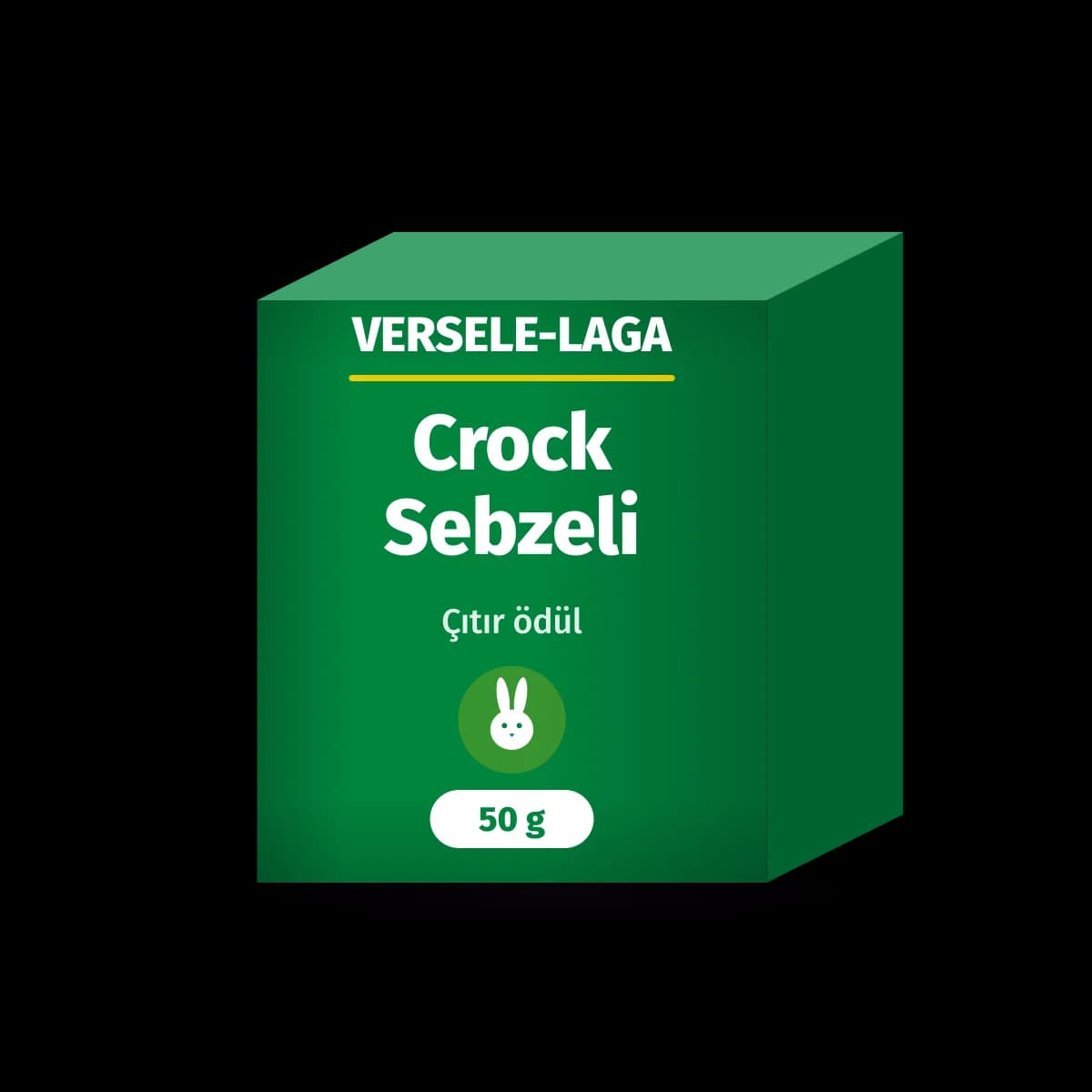
Treats
Chew sticks, dried herbs, hay cubes and natural gnaw treats that help keep small pets’ teeth in shape.
Treats are a great way to bond with small pets, get them used to hand-feeding and add enrichment to the cage. Their digestive systems are delicate, however, and the wrong treat or too much of it can lead to weight gain, dental problems and upsets such as diarrhoea.
What to look for in a good treat
- Dried herbs and flowers (chamomile, dandelion, mint): high in fibre and natural.
- Hay cubes and compressed hay: encourage gnawing and help wear teeth down.
- Apple, willow or hazel sticks: untreated fruit-tree wood is a safe thing to chew.
- An ingredient list free of sugar, honey, yoghurt coatings and coloured cereals.
Honey sticks and yoghurt drops may look appealing but are high in sugar. They can upset the gut flora of rabbits and guinea pigs and raise the risk of diabetes in hamsters. Dried fruit should also be strictly limited to a few small pieces a week.
As a rule, treats should make up no more than 5% of the daily diet; for a hamster that means one or two small pieces a day. When offering a new treat for the first time, start small and watch droppings for the next 24 hours. Keeping chews and gnaw sticks in the cage at all times also reduces stress behaviours such as bar chewing.
Common questions about Treats
Are carrots a good treat for rabbits?
Carrots are sugary, so treat them as an occasional reward rather than a staple. A few thin slices a week is enough; the leafy tops can be fed daily.
Do chew sticks really wear down teeth?
They help, but for rabbits and guinea pigs unlimited hay is the main way teeth are worn down. Chews are a supplement.
Can I give branches from my garden?
Unsprayed apple, pear, willow and hazel are safe. Avoid stone-fruit trees such as apricot and cherry, and toxic plants like oleander and yew.