Toys
Wand toys, catnip plushies and puzzle feeders that safely satisfy your cat’s hunting instinct and keep indoor cats active.
Play is a need, not a luxury, for cats. Indoor cats in particular can gain weight, scratch furniture or race round at night when they have no outlet for hunting behaviour. Two sessions of 10–15 minutes of active play a day make a noticeable difference to both physical and mental wellbeing.
Types of toy
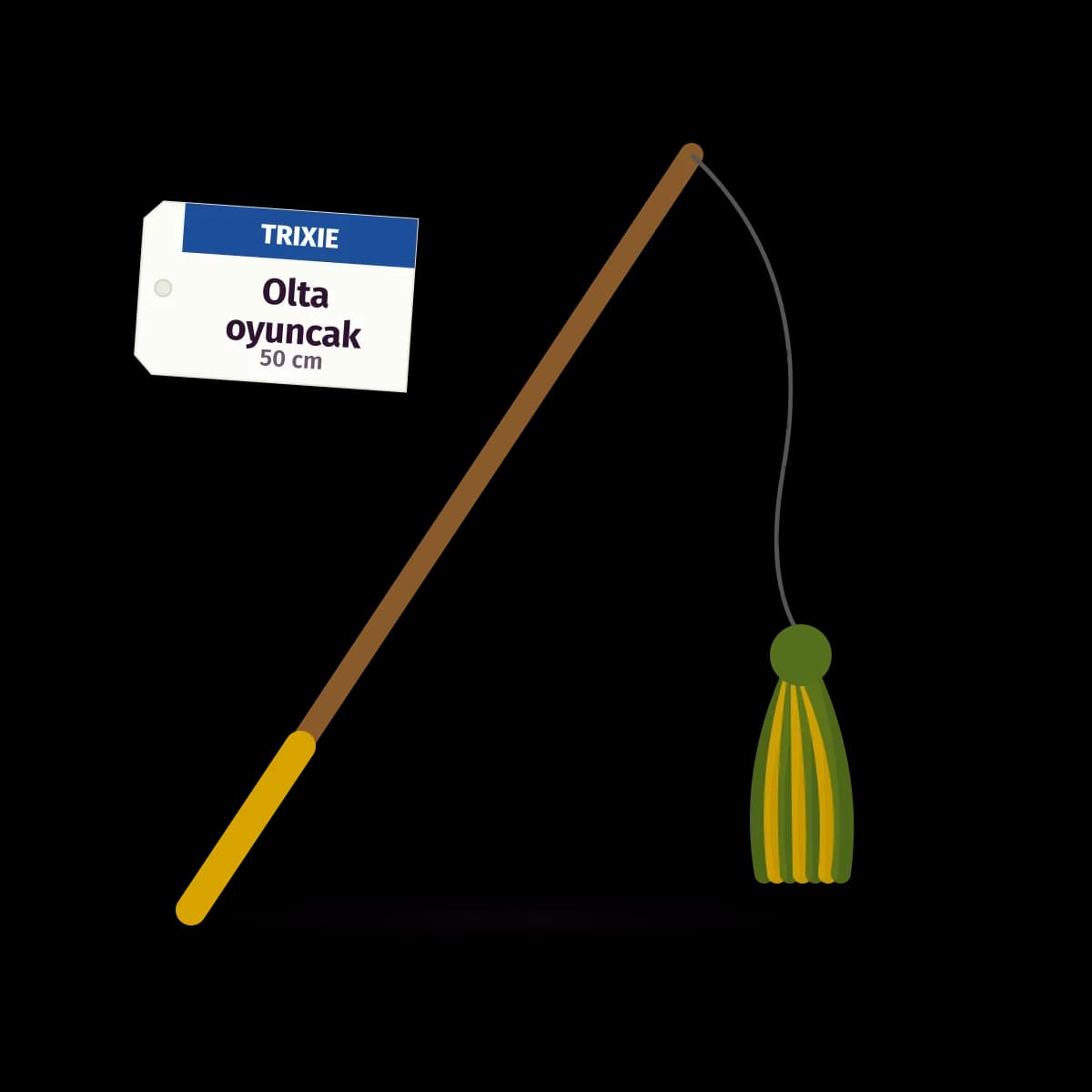
- **Wand and feather toys:** played with together; by mimicking escaping prey they trigger running, leaping and stalking.
- **Catnip plushies:** ideal for kicking and biting. Sensitivity to catnip is genetic, so not every cat reacts; for those, try valerian or silver vine alternatives.
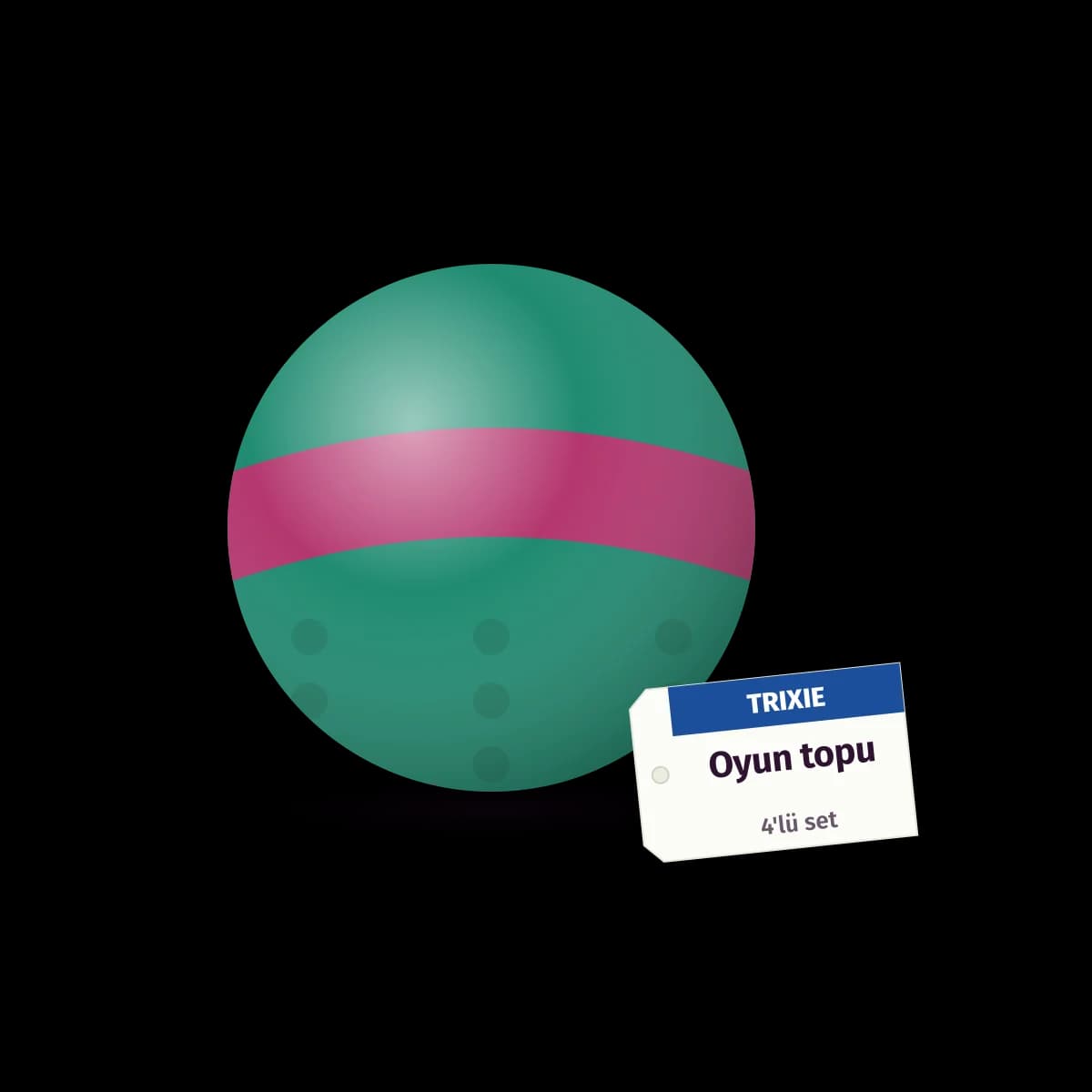
- **Balls and tunnels:** toys your cat can enjoy alone, encouraging movement around the home.
- **Puzzle and food toys:** make your cat work for kibble or treats, slowing down fast eaters and easing boredom.
For safety, never leave string, ribbon or toys with small parts out unsupervised; if swallowed they can cause serious digestive problems. Put wand toys away out of reach when playtime is over. If you use a laser pointer, finish the game with a physical toy or a treat so your cat gets the satisfaction of a "catch".
Rotating toys every few days keeps them interesting. Scheduling play just before mealtime also mirrors the hunt-eat-rest cycle and helps your cat settle more calmly afterwards.
Common questions about Toys
How long should I play with my cat each day?
For adult cats, two or three active sessions of 10–15 minutes a day is ideal. Kittens prefer shorter but more frequent sessions.
Is catnip harmful?
Catnip is not addictive and is considered safe. The effect lasts 10–15 minutes, and many kittens and some adults show no reaction at all.
My cat ignores toys. What can I do?
Try different textures and speeds, move the toy away from your cat like fleeing prey, and schedule play for the morning or evening when cats are most active.